Stopping the pacifier: when and how without battles
How to reduce pacifier use gradually, protect sleep and comfort, choose the right moment and know when to ask for advice.
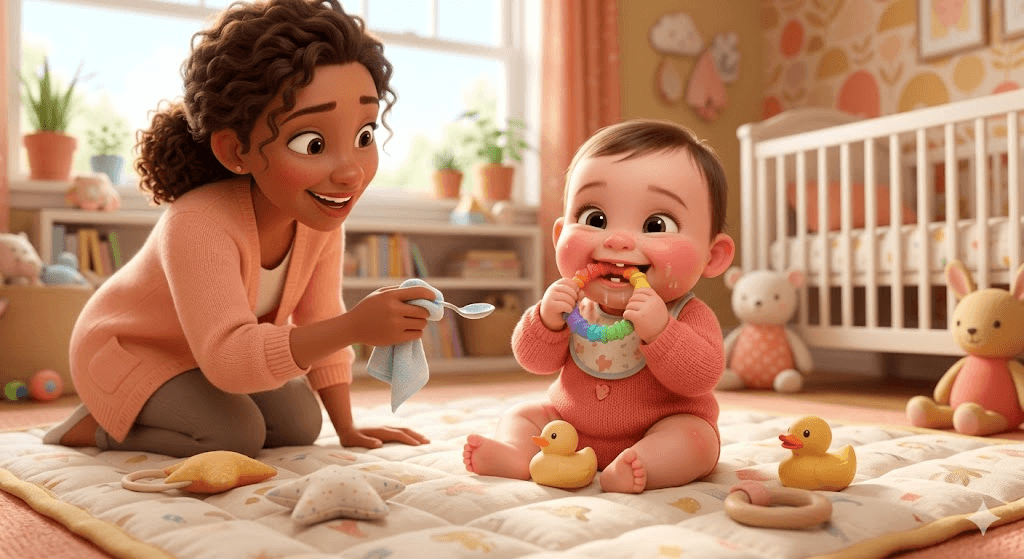
The pacifier may have been a major help: soothing, sleep, transitions and tired moments. Stopping it does not mean denying your child's need for comfort. It means helping them find other ways, step by step.
This guide complements sleep routine, transitional object, first toothbrush and first-years independence.
When to consider it
There is no perfect day for every family. You can start reducing pacifier use when:
- your child uses it mostly out of habit;
- they often talk with it in the mouth;
- they ask for it during calm play;
- the pediatrician or dentist suggests limiting it;
- the family has enough energy to stay consistent.
Avoid starting during a new sibling's birth, daycare start, a move, illness or heavy stress.
First reduce, then stop
A gradual path:
- pacifier only at home;
- pacifier only for sleep and big comfort moments;
- pacifier kept in one fixed place;
- pacifier out of the mouth when talking;
- choosing a date or goodbye ritual.
Gradual change works only if adults keep the same rule.
Comfort alternatives
Replace before removing:
- short book;
- same song;
- cuddle;
- breathing together;
- safe stuffed toy or blanket;
- ritual phrase: "The pacifier sleeps, you can hold the bear."
If the pacifier was linked with sleep, change as little as possible in the rest of the routine.
Gradual or decisive?
Both can work.
Gradual change helps children who are very attached to the pacifier or families in a delicate period.
A decisive method can work with older toddlers who understand a ritual: say goodbye to the pacifier, prepare an alternative and keep adults firm and affectionate.
In every case, avoid threats, shame or phrases like "you are big, you must not cry".
Safety and hygiene
Always check the pacifier:
- no broken or sticky parts;
- no cords around the neck or in bed;
- no sugar, honey or sweet substances;
- no bottle nipples used as pacifiers;
- regular cleaning.
If your child chews and damages the pacifier, replace it and consider moving the reduction forward.
When to ask for advice
Talk with the pediatrician or pediatric dentist if you notice bite changes, concerns about speech or breathing, frequent infections, very intense use beyond age 3, or if stopping the pacifier creates unmanageable anxiety for your child or family.
Key takeaway
Stopping the pacifier is not a power test. The need to calm down remains: the tool changes. Routines, consistency and concrete alternatives make the transition more sustainable.
Useful links
Sources and further reading
- Baby Pacifiers & Thumb Sucking: What Parents Need to Know - HealthyChildren.org - American Academy of Pediatrics
- From Bottle to Cup: Helping Your Child Make a Healthy Transition - HealthyChildren.org - American Academy of Pediatrics
- How to Keep Your Sleeping Baby Safe - HealthyChildren.org - American Academy of Pediatrics
- How to manage your child's separation anxiety - UNICEF Parenting
- CDC's Developmental Milestones - Centers for Disease Control and Prevention
Sources are used to support general informational content and do not replace advice from a pediatrician or healthcare professional.