12-24 month toddler menu: meals, portions and practical ideas
How to organize meals between 12 and 24 months: three meals, snacks, variety, milk, water, limiting salt and safe cuts.
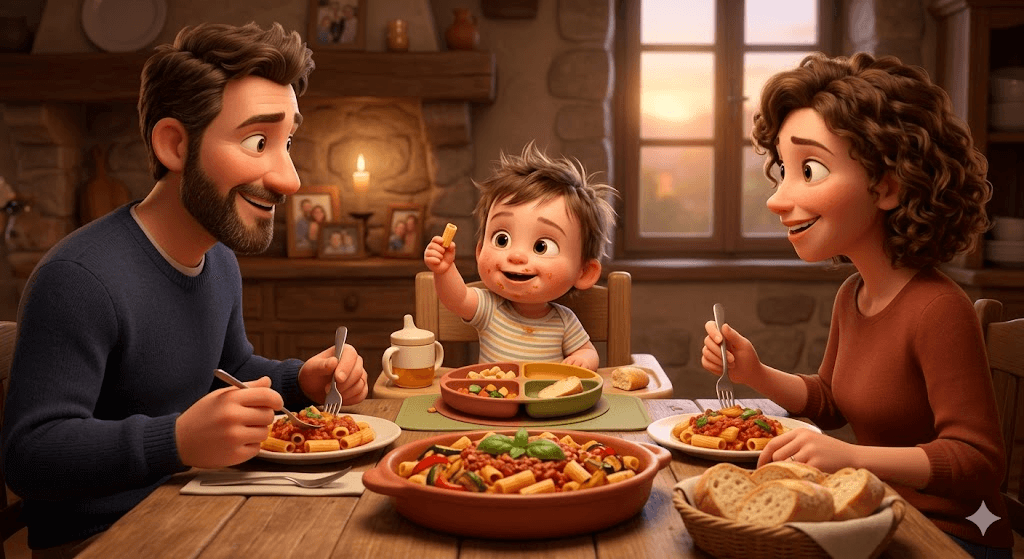
Between 12 and 24 months, your child moves closer to family meals. You do not need a special menu every day: you need a predictable structure, simple foods and still-safe cuts.
This guide complements feeding after the first year, milk after one and the 12-24 month shopping checklist.
Daily structure
Many toddlers do well with:
- breakfast;
- a mid-morning snack if needed;
- lunch;
- afternoon snack;
- dinner.
The goal is not to make them eat a lot every time. After the first birthday, growth slows and appetite can vary a lot from day to day.
How to build the plate
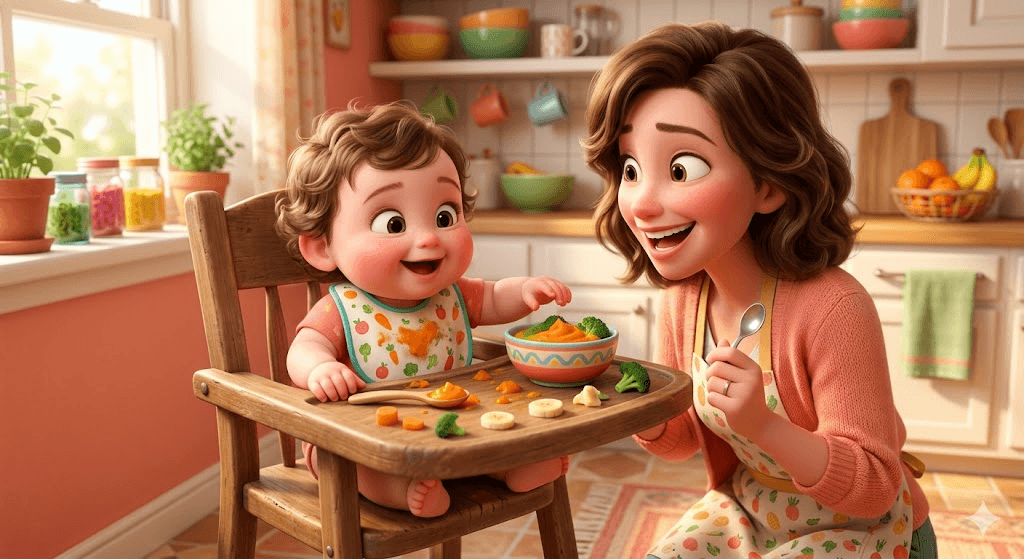
A simple meal can include:
- grain or starchy food: pasta, rice, bread, potato, couscous, oats;
- vegetable or fruit;
- protein: legumes, egg, fish, meat, tofu, yogurt or fresh cheese;
- healthy fat: olive oil, avocado, oily fish or full-fat yogurt.
Not every meal needs to be perfect. Look at the balance across the day and week.
Meal ideas
Adaptable examples:
- small pasta with hulled lentils, vegetables and oil;
- soft rice with fish, zucchini and oil;
- fully cooked omelette with potatoes and vegetables;
- soft bread with no-salt hummus and safely cut fruit;
- plain full-fat yogurt with soft fruit and softened oats;
- thick soup with pureed legumes and tiny pasta.
For key nutrients, review iron during weaning, protein during weaning and healthy fats during weaning.
Portions: start small
A small starting portion reduces waste and conflict. If your child is still hungry, you can offer more.
Fullness signs:
- turning the head away;
- closing the mouth;
- repeatedly throwing food;
- slowing down a lot;
- saying no or pushing the plate away.
Pressure does not improve nutrition. It often increases refusal and tension.
Salt, sugar and drinks
Keep limiting salt and added sugar. Family meals can be adapted by taking out your child's portion before adding salt or strong seasoning.
The main drinks are water and, if included, milk. Avoid juice, fizzy drinks and sweet drinks as a habit.
Safety still matters
Even when your child eats "like a big kid", toddlers still need safe cuts. Grapes, cherry tomatoes, olives and round foods should be cut lengthwise. Whole nuts, popcorn and hard candies are still not suitable.
For a full review, use safe cuts during weaning and foods to avoid in the first year; many rules remain useful after the first birthday.
Key takeaway
A 12-24 month menu should be simple, repeatable and family-based: regular meals, variety, small portions, water, milk without excess and safe cuts. If growth, energy or eating patterns worry you, speak with your pediatrician.
Useful links
Sources and further reading
- Foods and Drinks for 6 to 24 Month Olds - Centers for Disease Control and Prevention
- How Much and How Often To Feed - Centers for Disease Control and Prevention
- Baby and toddler meal ideas - NHS
- WHO Guideline for complementary feeding of infants and young children 6-23 months of age - World Health Organization
- Infant and young child feeding - World Health Organization
Sources are used to support general informational content and do not replace advice from a pediatrician or healthcare professional.