Iron during weaning: foods, pairings and signs to watch
How to include iron during weaning with suitable foods, vitamin C pairings, safe textures and extra care for babies with specific needs.
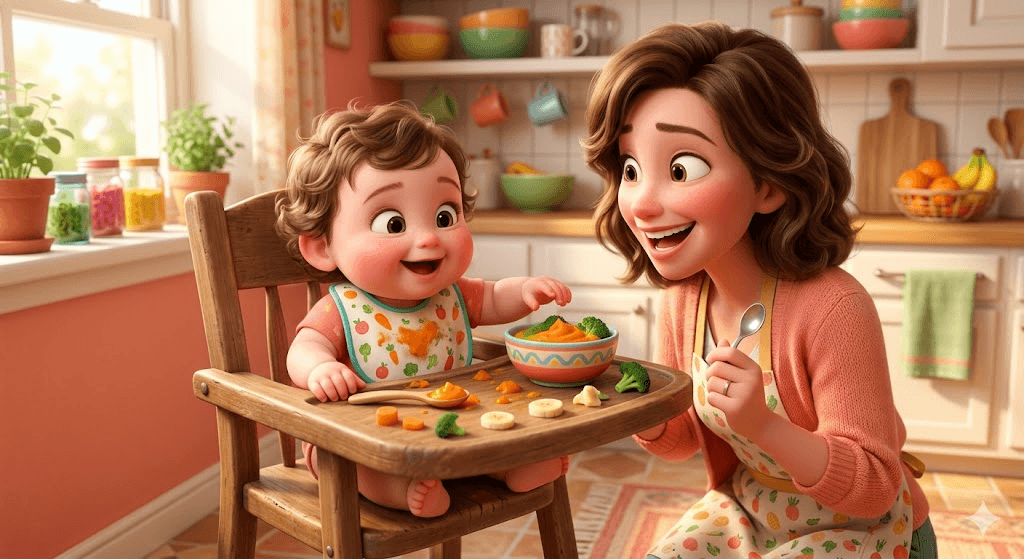
Around 6 months, iron becomes one of the nutrients to plan with care. Milk is still important, but complementary foods should start adding iron-rich options prepared in a safe texture.
This guide complements starting solids, first baby food recipes and safe cuts for weaning.
Why iron matters
Iron supports growth, brain development and immune function. In the first months, babies also use iron stores built during pregnancy; after weaning begins, those stores may not be enough on their own.
You do not need to calculate every meal. The practical goal is to include iron-rich foods regularly, especially in main meals.
Suitable iron sources
Animal foods contain iron that is easier to absorb:
- well-cooked tender meat;
- well-cooked fish with bones removed;
- fully cooked egg;
- small amounts of liver only if your pediatrician recommends it.
Plant sources are useful and can appear often:
- hulled lentils, chickpeas and beans, well cooked and mashed;
- tofu if used in your family diet;
- iron-fortified infant cereals;
- smooth legume spreads with no added salt.
For early textures, start with soft, moist preparations. If you offer finger foods, always check shape and texture in the safe cuts guide.
Add vitamin C in the same meal
Vitamin C helps the body absorb iron from plant foods. You do not need sweet drinks or juice: simple foods are enough.
Practical examples:
- hulled lentils with squash and a little lemon if accepted;
- smooth hummus with no added salt and cooked vegetables;
- chickpea puree with cooked tomato;
- fortified cereal with soft fruit;
- fish with potato and vegetables.
Avoid filling the meal with sweet drinks. After 6 months, small sips of water with meals are enough for practice and hydration: details are in water during weaning.
How often to offer it
A practical rule is to include an iron source in most main meals. At the beginning these may be tiny tastes; over time, variety and quantity grow.
If a meal is based on grains and vegetables, add legumes, meat, fish, egg or a fortified food. If your baby eats little, do not force it: keep offering calmly and ask your pediatrician if growth is not progressing.
What to avoid
Do not use iron supplements unless a clinician recommends them. Too much iron can be harmful, and supplements need dosing based on the baby's history.
Also avoid:
- added salt;
- salty broths or stock cubes;
- tough pieces of meat;
- whole unmashed legumes at the beginning;
- cow's milk as the main drink under 1 year.
For a wider view of foods to delay or modify, read foods to avoid in the first year.
Key takeaway
Iron during weaning is built through regular habits: iron-rich foods, vitamin C, safe textures and no do-it-yourself supplements. If your baby was premature, looks very pale, is unusually tired, is not gaining well or eats very little, speak with the pediatrician.
Useful links
Sources and further reading
- Iron - Centers for Disease Control and Prevention
- What to feed young children - NHS
- Complementary feeding - World Health Organization
- Infant and young child feeding - World Health Organization
- Weaning - NHS
Sources are used to support general informational content and do not replace advice from a pediatrician or healthcare professional.