Newborn hearing: screening, sounds and signs to watch
What to know about newborn hearing: screening, sound responses, parents' voices, 0-3 month development and when to ask for assessment.
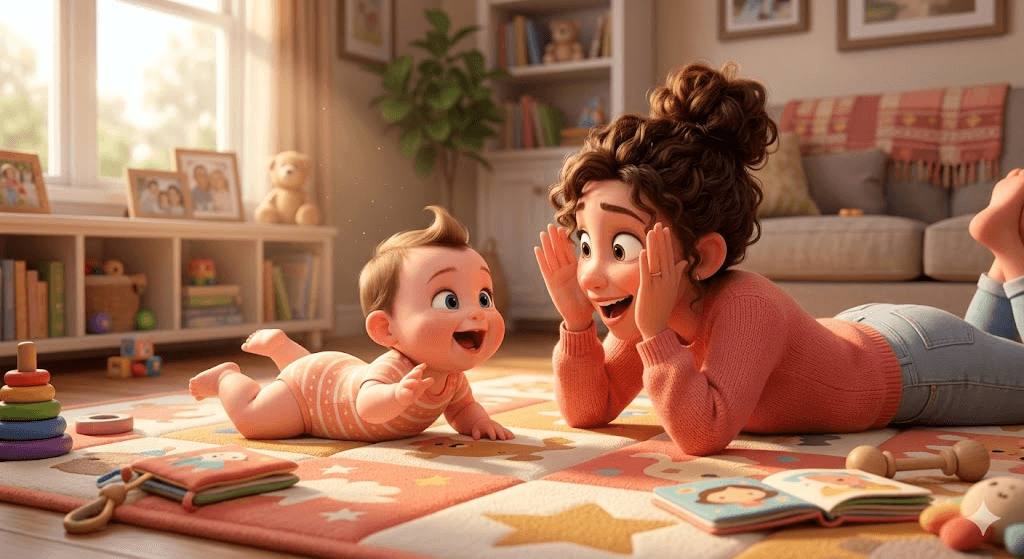
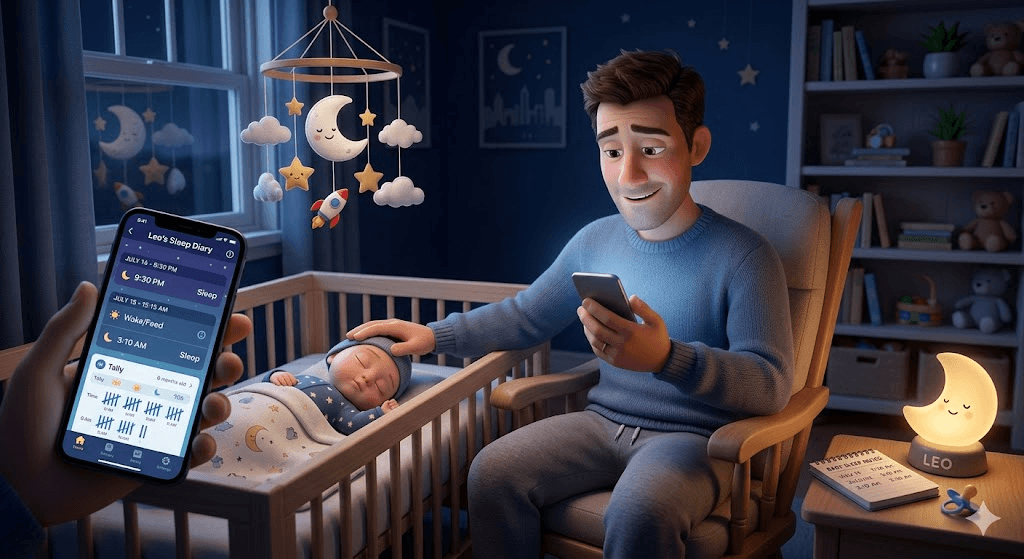
Newborn hearing is one of the main ways babies recognize people, calm down and begin to enter the rhythm of language. Even when they seem too young to "understand", they listen to voice, tone, pauses and repetition.
This guide complements 0-3 month development, first words and language, social smile and shared play.
Newborn hearing screening
Many health systems include newborn hearing screening in the first weeks of life. CDC sources use the 1-3-6 benchmarks: screening by 1 month, diagnostic evaluation by 3 months if the baby does not pass, and early intervention by 6 months when needed.
If your baby does not pass the first screen, it does not automatically mean permanent hearing loss. It does mean follow-up should happen on time, without waiting to "see later".
What babies may do in the first months
Between birth and 3 months you may observe:
- calming with a familiar voice;
- reacting to loud sounds;
- changing expression when you talk;
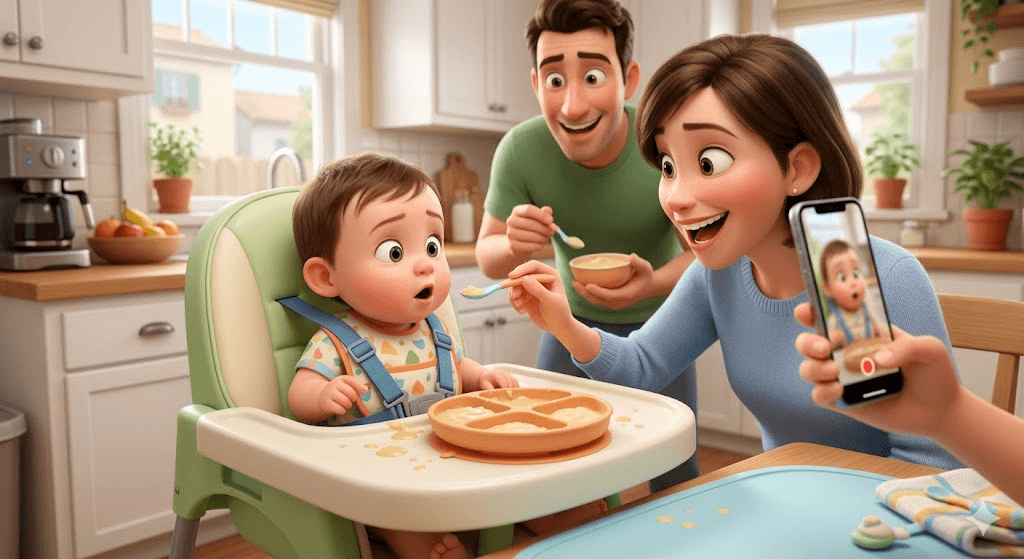
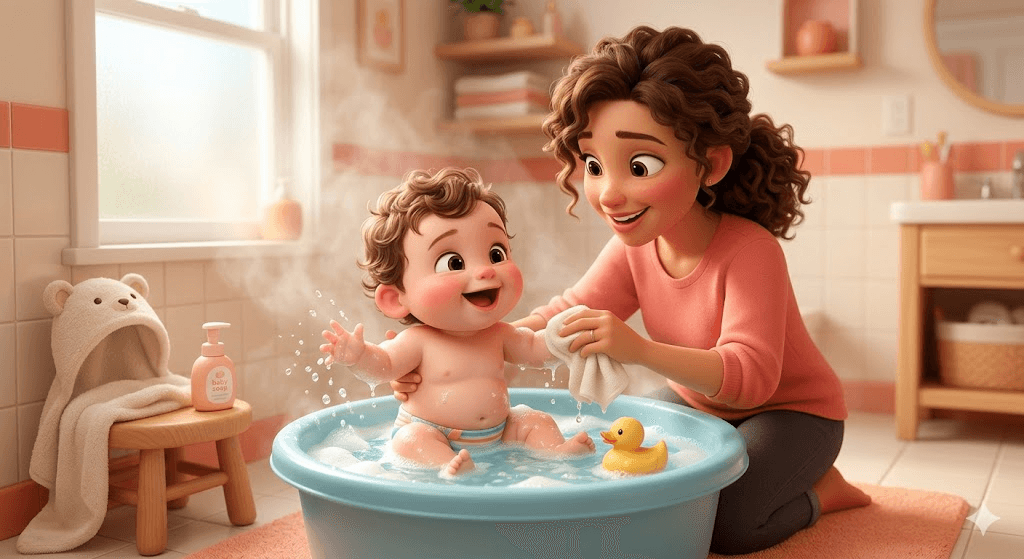
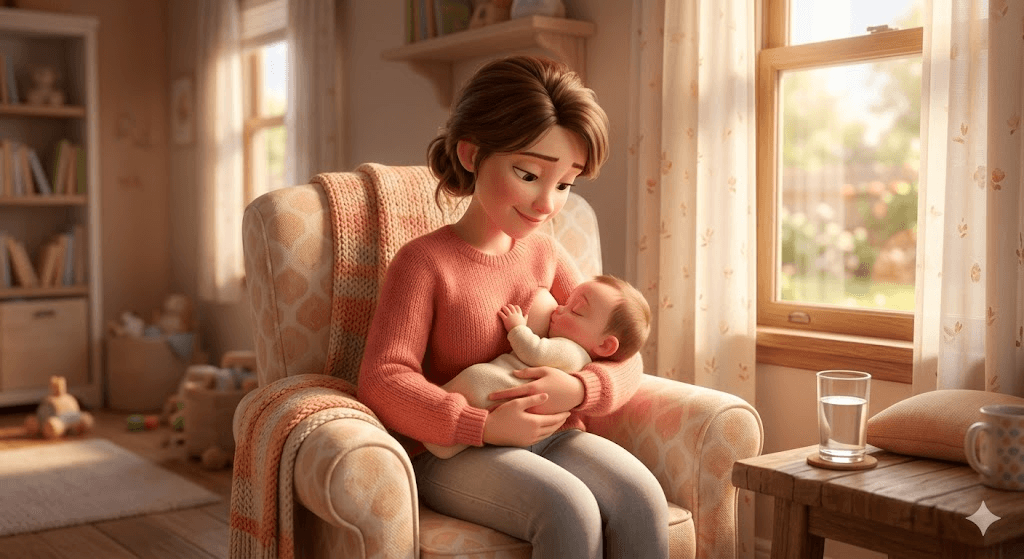
- seeming to listen during feeding or diaper changes;
- smiling to voices around 1-3 months;
- beginning to make sounds other than crying.
Not every sign appears on the same day or with the same intensity. The overall pattern matters more than performance.
How to talk to your baby
No exercises are needed. Repeated presence is enough:
- talk during routines;
- sing slowly;
- use short phrases;
- wait for a pause before continuing;
- respond to your baby's sounds;
- reduce background noise when interacting.
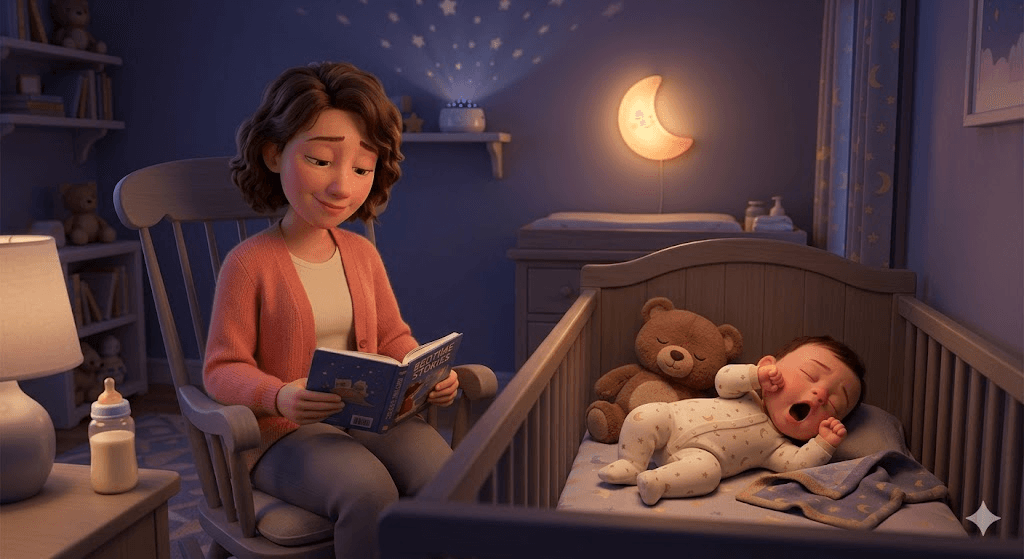
A parent's voice matters for rhythm, security and relationship. Reading a few lines or describing what you are doing is useful too.
Noise and protection
Avoid intense or prolonged noise close to the baby. A TV always on, very loud music, noisy toys near the ear or chaotic environments can tire them and make their responses harder to notice.
Do not put cotton swabs or objects into the ears. If you notice discharge, bad smell, fever or pain, contact the pediatrician.
Signs to report
Talk with the pediatrician if your baby:
- never reacts to loud sounds;
- does not seem to calm or orient to familiar voices;
- does not begin making sounds other than crying when expected;
- responds only when they see you;
- has recurrent ear infections, discharge or ear problems;
- has risk factors noted by the birth team.
If hearing screening was not done or the result is unclear, ask how to complete it.
Link with language and relationship
Hearing supports language, shared attention and relationship. You do not need to rush words; you need an environment where your baby can hear real voices, pauses and responses.
To continue, read newborn vision and skin-to-skin contact.
Key takeaway
Hearing screening is important, but parents' ongoing observations remain valuable. If something does not fit, trust the concern and ask for assessment: early support helps because it arrives early.
Useful links
Sources and further reading
- Hearing & Making Sounds: Your Baby's Milestones - HealthyChildren.org - American Academy of Pediatrics
- Hearing Screening for Newborns, Children & Adolescents - HealthyChildren.org - American Academy of Pediatrics
- Newborn Hearing Screening - Centers for Disease Control and Prevention
- Screening for Hearing Loss - Centers for Disease Control and Prevention
- CDC's Developmental Milestones - Centers for Disease Control and Prevention
Sources are used to support general informational content and do not replace advice from a pediatrician or healthcare professional.