Tiredness in the first months: what is normal and when to worry
How to recognize early-month tiredness with a baby, reduce risks, protect rest and know when to ask for help.
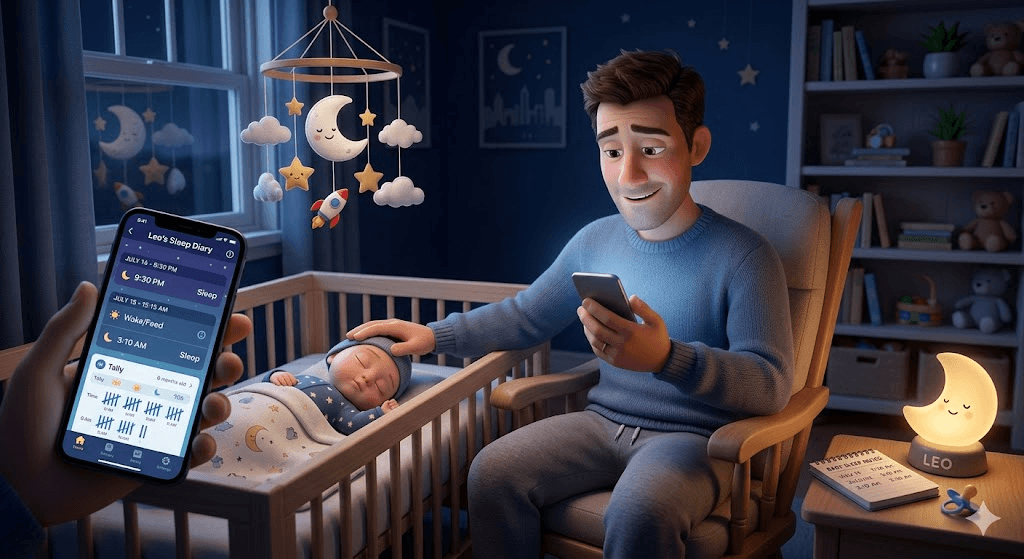
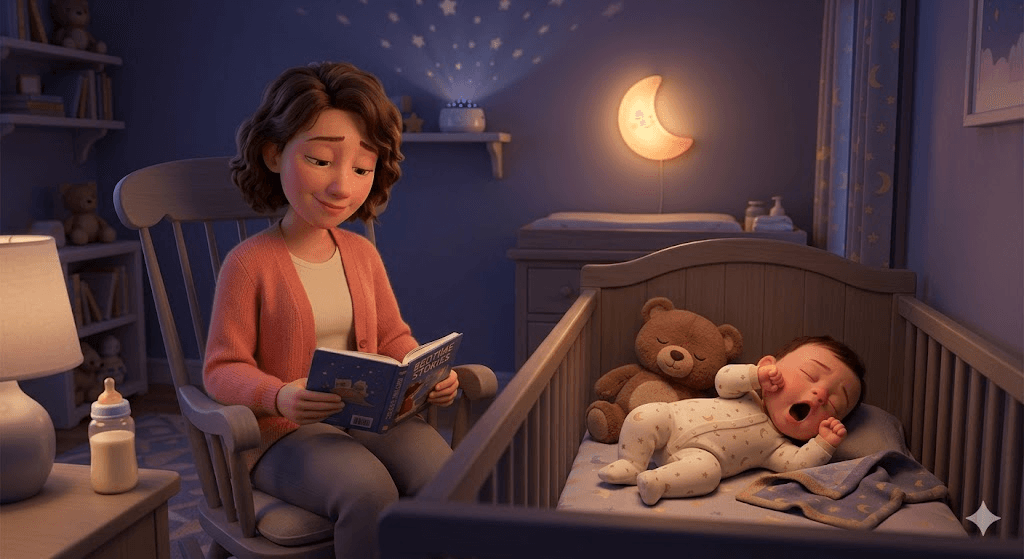
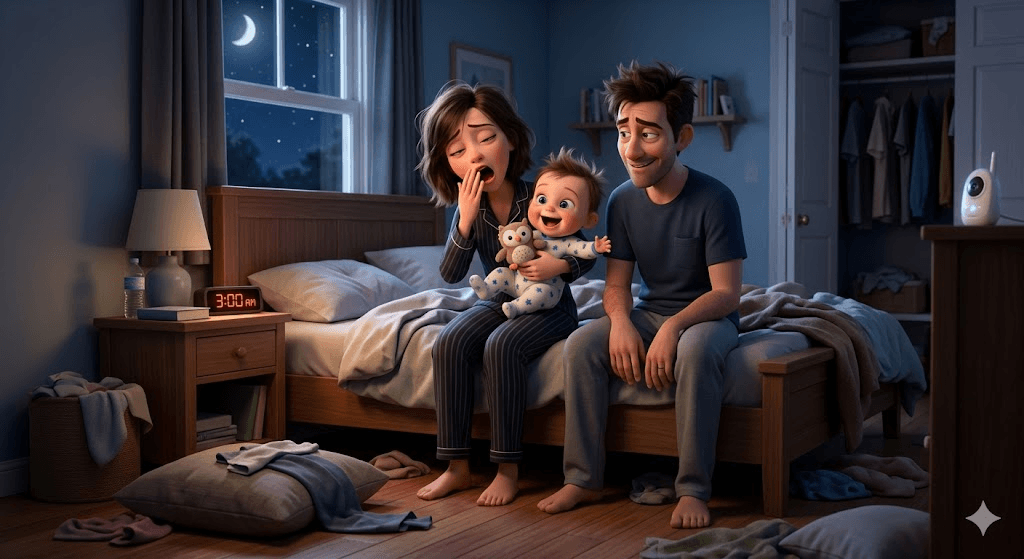
In the first months, tiredness can be intense: broken nights, feeds, changes, crying and physical recovery after birth use a lot of energy. Normal does not mean irrelevant: tiredness needs managing to protect baby and parents.
This guide complements postpartum depression, parent night shifts and asking for help at night.
Expected tiredness
Common experiences include:
- fragmented sleep;
- difficulty concentrating;
- irritability;
- crying easily;
- hunger or nausea from tiredness;
- feeling like you never recover.
The point is to understand whether tiredness remains manageable with support or is becoming a risk.
Reduce risks
When you are very tired:
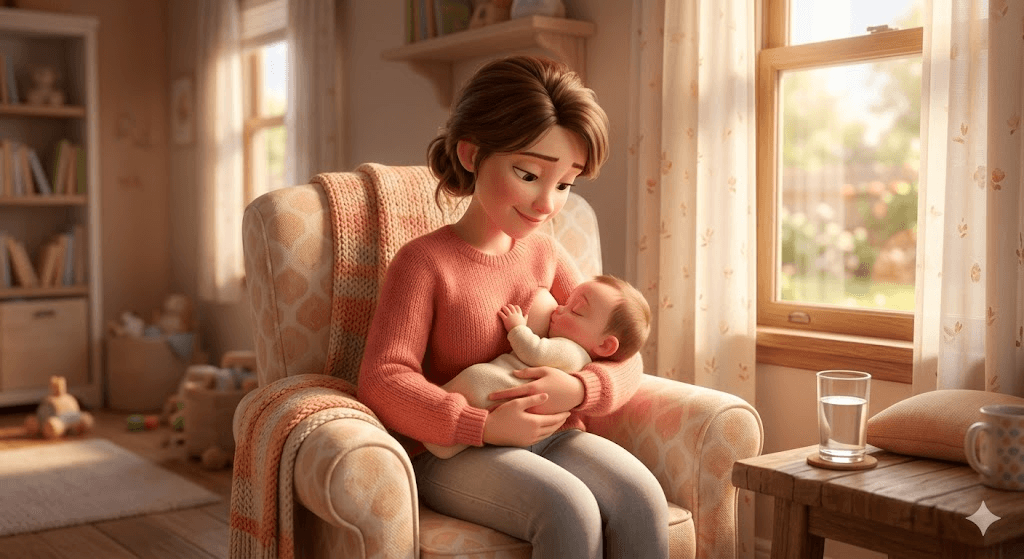
- avoid couches and armchairs with your baby in your arms;
- prepare feeds and changes in a safe space;
- put your baby in the crib if you feel less alert;
- do not drive if you feel sleepy;
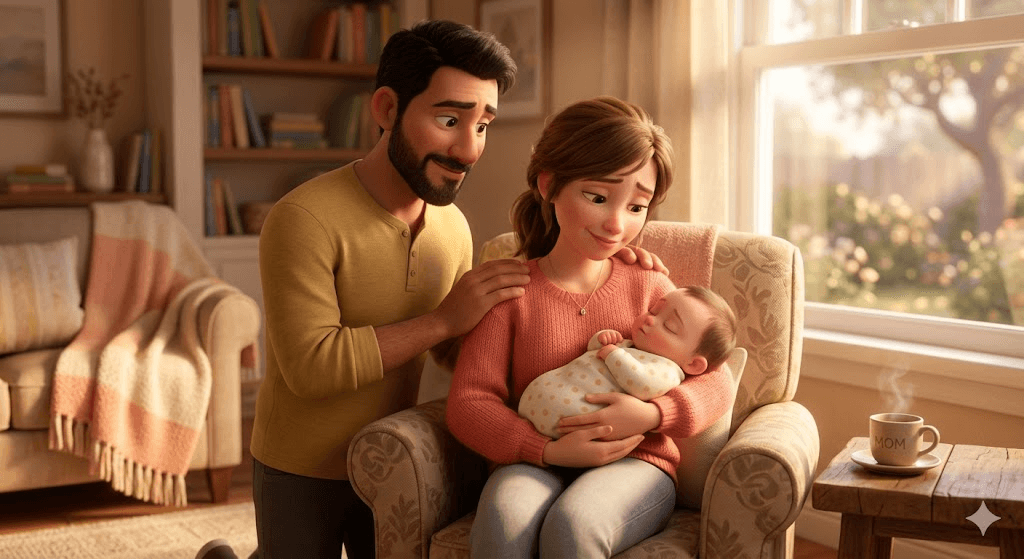
- ask for a handover before you reach your limit.
Tiredness and mental health
Tiredness can worsen anxiety, sadness and feelings of inadequacy. If intense symptoms last, stop you functioning or scare you, do not wait for them to pass on their own.
Speak with a doctor, midwife, local service or pediatrician. For signs to watch, read postpartum depression.
Micro-recovery
In the first months, the goal is often not a perfect night, but small protected recovery:
- one 3-4 hour sleep block;
- morning rest while someone holds the baby;
- simple ready meals;
- limited visits;
- phone away during rest.
Key takeaway
Early-month tiredness is not a test to pass alone. Organize shifts, ask for practical help, protect safe sleep and report intense emotional symptoms early.
Useful links
Sources and further reading
- Sleep and tiredness after having a baby - NHS Healthier Together
- Perinatal mental health - World Health Organization
- Postnatal depression - NHS
- How to Keep Your Sleeping Baby Safe - HealthyChildren.org - American Academy of Pediatrics
- Baby sleep - UNICEF Parenting
Sources are used to support general informational content and do not replace advice from a pediatrician or healthcare professional.