White noise for babies: when it helps and how to use it carefully
Guide to white noise for babies: possible benefits, low volume, distance, duration, safe sleep and when to avoid it.
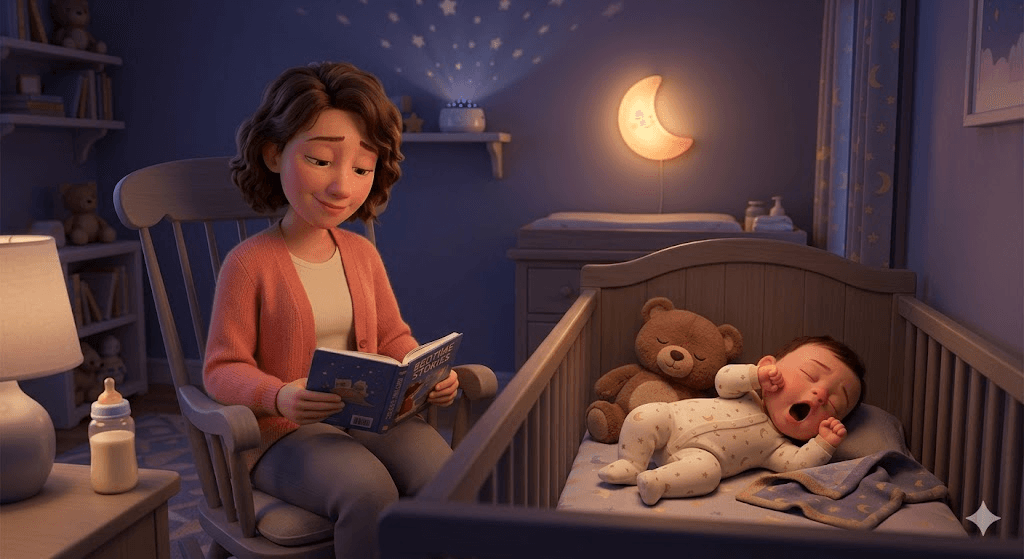
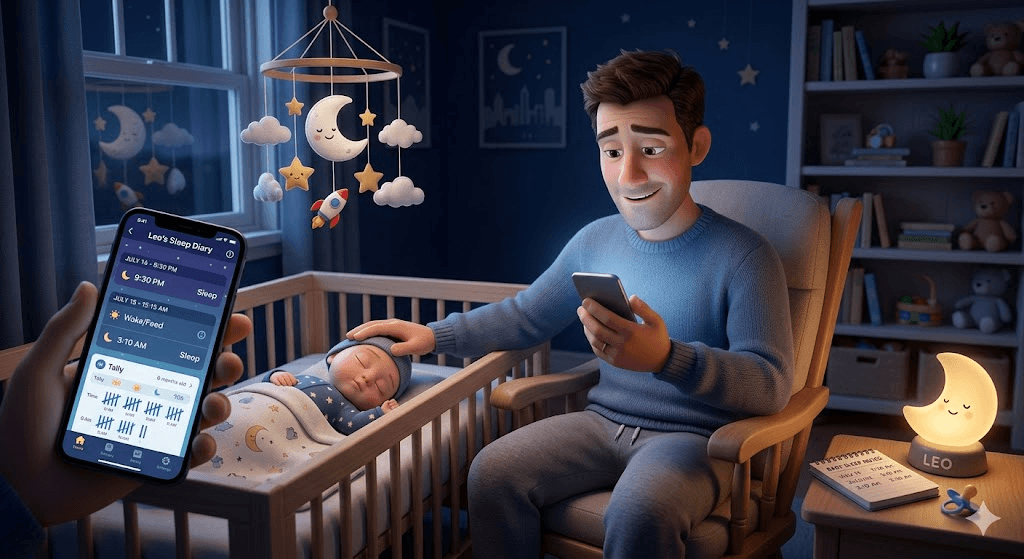
White noise may cover sudden sounds and become a predictable sleep cue. It is not essential and it does not work for every baby.
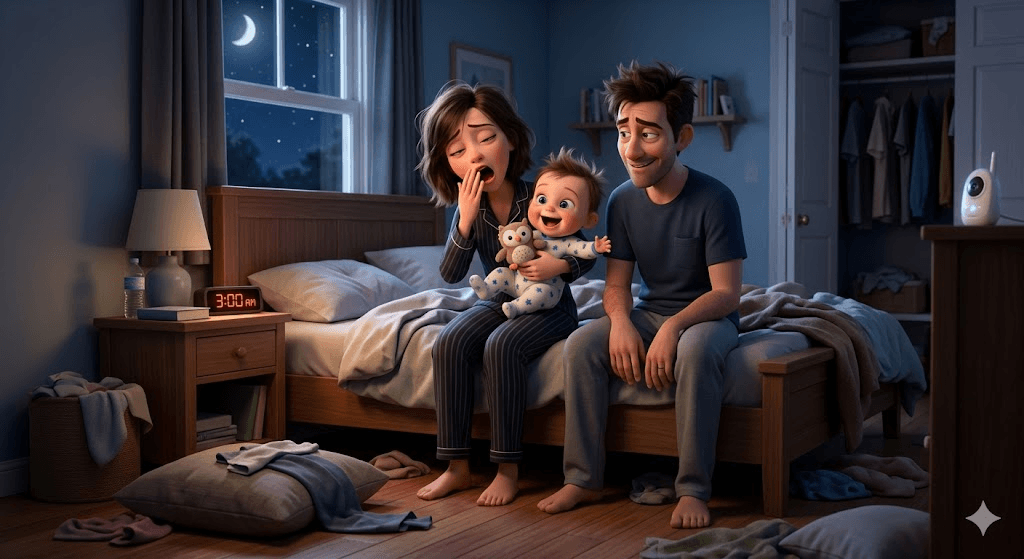
This guide complements night routine, baby night wakings and soothing baby checklist.
When it may help
It can be useful when:
- the home is noisy;
- your baby startles at sudden sounds;
- you want a steady sleep cue;
- the family needs a more predictable routine.
It should not cover crying, breathing difficulty, hunger or discomfort. First check real needs: feed, diaper, temperature, contact and illness.
Volume, distance and duration
The cautious choice is to use the lowest volume that works, keep the device away from your baby's head and avoid loud sound for long periods.
Practical rules:
- do not place it inside the crib or bassinet;
- do not put it near the ear;
- choose steady sounds that are not intense;
- lower the volume after sleep begins if possible;
- stop if it seems to upset your baby.
Avoid rigid numbers if you do not have a reliable meter. The goal is a light background sound, not the dominant sound in the room.
Safe sleep first
White noise does not change safe sleep rules: baby sleeps on the back, on a firm clear surface, without pillows, soft toys, loose blankets or devices in the sleep space.
If you use a phone, keep it out of reach and with no accessible cord. If you use a dedicated machine, check stability, batteries and overheating.
Habit or dependency
A habit is not automatically a problem. It becomes inconvenient if your baby never sleeps without white noise or the family keeps raising the volume.
Keep it flexible:
- use it only for some sleeps;
- build other sleep cues too;
- reduce volume and duration gradually if you want to stop;
- keep the routine simple outside the home.
When to avoid it
Avoid or stop it if:
- your baby seems disturbed;
- it prevents you from hearing important signals;
- it is used to avoid responding to crying;
- the device is too close or too loud;
- there are hearing concerns or medical instructions.
Key takeaway
White noise is a tool, not a sleep cure. Use it low, away from your baby, only as long as useful and always inside a safe routine.
Useful links
Sources and further reading
- How Noise Affects Your Child - HealthyChildren.org - American Academy of Pediatrics
- Calming A Fussy Baby - HealthyChildren.org - American Academy of Pediatrics
- How to Keep Your Sleeping Baby Safe - HealthyChildren.org - American Academy of Pediatrics
- Baby sleep - UNICEF Parenting
Sources are used to support general informational content and do not replace advice from a pediatrician or healthcare professional.