Rocking a newborn: soothing without unsafe habits
Guide to safely rocking and holding a newborn: movement, parent fatigue, bouncers, sleep and when to stop.
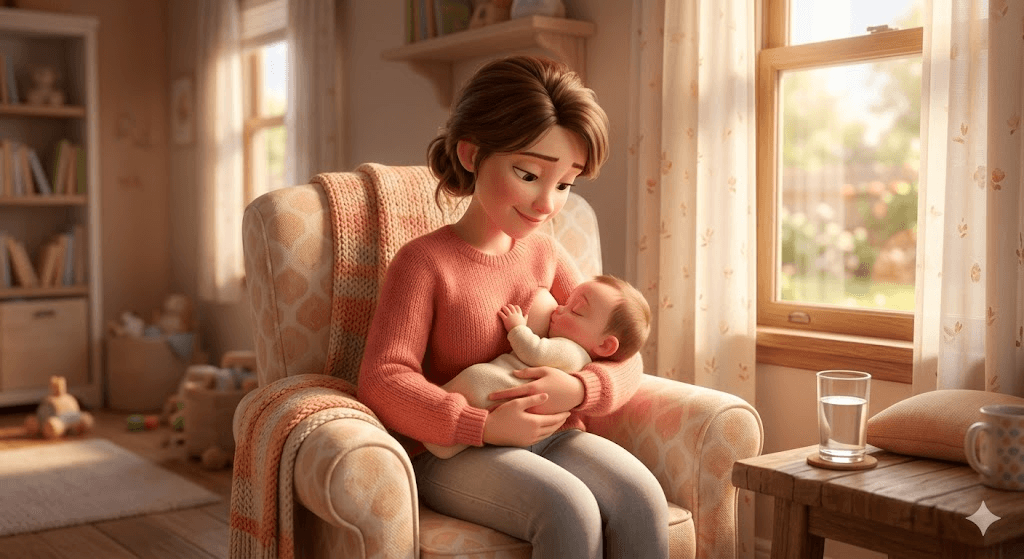
Rhythmic movement can calm many newborns. It echoes the adult body, walking and containment. It must stay gentle, controlled and safe.
This guide complements baby crying, soothing baby checklist and early-month fatigue.
Safe movement
To hold or rock:
- support the head and neck well;
- use slow small movements;
- keep your baby close to your body;
- avoid jerks, bouncing and shaking;
- stop if you feel out of control;
- switch adults if you are exhausted.
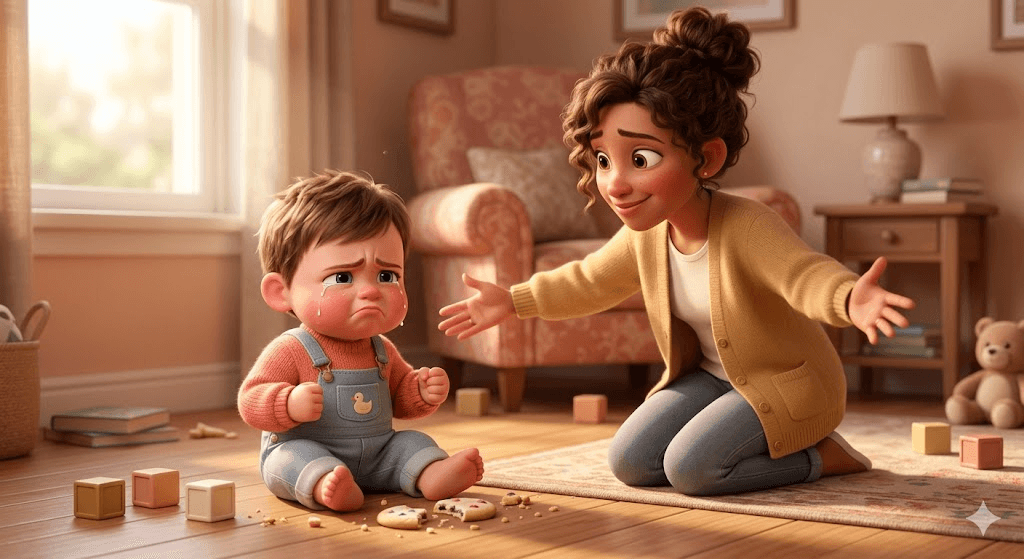
Never shake a baby. If crying becomes unbearable, place your baby on the back in a safe crib and take a short safe break.
Bouncers and devices
Bouncers, swings and car seats can be useful for brief awake and supervised moments, but they are not safe sleep spaces. If your baby falls asleep in a seated or inclined device, move them as soon as possible to a flat safe surface.
Always check:
- harness correctly fastened;
- device stable on the floor;
- weight limit;
- baby always visible;
- no high surfaces such as tables or sofas.
Rocking to sleep
Holding a baby to sleep does not spoil a newborn. In the first months, contact is a normal response. If it becomes too hard, you can gradually reduce intensity and duration:
- rock until calm, not always until deep sleep;
- add a short phrase or song;
- move to the crib when settled;
- alternate with other adults;
- keep expectations realistic.
When to worry
Ask for help if your baby:
- cries inconsolably in a way that is different from usual;
- has fever or breathing difficulty;
- feeds much less;
- is very floppy or very stiff;
- vomits repeatedly;
- seems in pain when moved.
Key takeaway
Rocking can be a good strategy when it stays gentle and sustainable. Safety for both baby and parent matters more than calming everything immediately.
Useful links
Sources and further reading
- Calming A Fussy Baby - HealthyChildren.org - American Academy of Pediatrics
- Soothing a crying baby - NHS
- Why do babies cry? - UNICEF Parenting
- CDC's Developmental Milestones - Centers for Disease Control and Prevention
- Early childhood development - UNICEF
Sources are used to support general informational content and do not replace advice from a pediatrician or healthcare professional.