Pediatric visits in the first year: what to expect
How to prepare first-year checkups, which questions to bring and which details to track: growth, feeds, sleep, diapers and development.
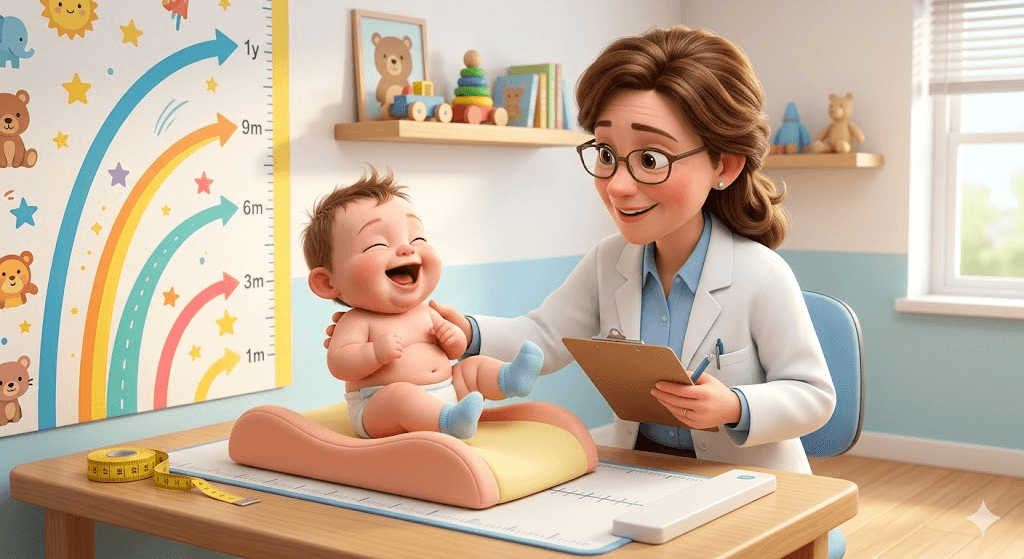
In the first year, pediatric visits help follow growth, feeding, development, vaccines, sleep, safety and parent questions. They are not useful only when your baby is sick: they are a chance to prevent issues, adjust small problems and build a relationship with the pediatrician.
Exact timing can vary by health system, region, your baby's history and discharge instructions.
What is checked
The pediatrician often reviews:
- weight, length and head circumference;
- feeding and growth;
- sleep and safety;
- diapers and bowel patterns;
- motor and social development;
- vision, hearing and behavior;
- skin, hips, reflexes and general exam;
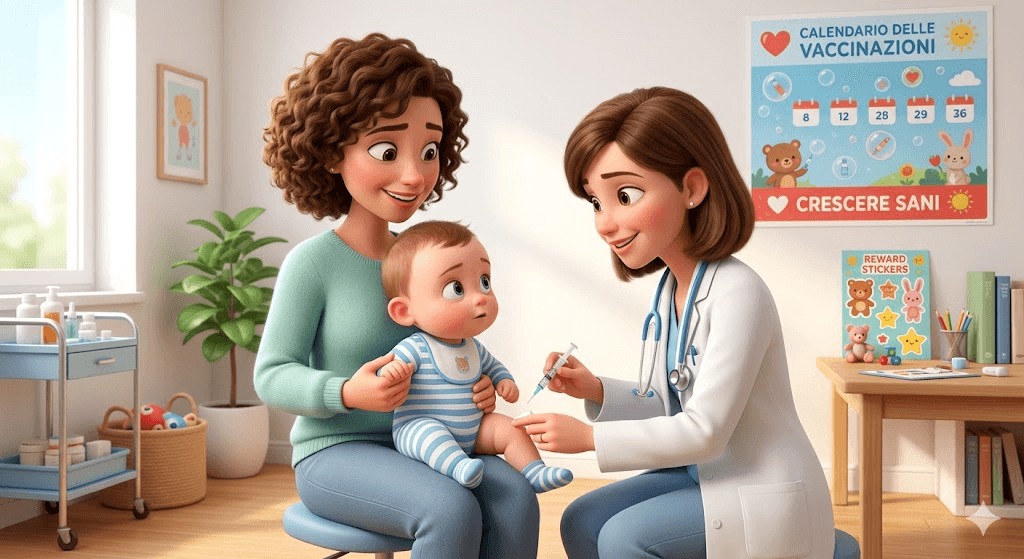
- vaccine schedule;
- parent concerns.
For measurements, you can use the growth percentile calculator, without replacing pediatric judgment.
What to bring
Bring:
- health card or baby documents;
- health booklet or digital record if available;
- medicines and supplements list;
- notes on feeds and diapers;
- written questions;
- discharge letters or reports;
- diapers and spare outfit;
- vaccine appointments or records.
The first-year visits checklist keeps it practical.
Useful questions
You can ask:
- is growth consistent with my baby's history?
- how many feeds or meals should I expect?
- which signs should I watch before the next visit?
- how should I manage fever, medicines or emergencies?
- when are the next vaccines expected?
- which documents should I update?
For vaccines, use vaccines in the first year and the vaccination calendar.
Between visits
Only track what is truly useful:
- clear changes in feeds or sleep;
- many fewer wet diapers;
- fever or illness;
- medicines given;
- development questions;
- events that worried you.
For thresholds and urgency, save when to call the pediatrician.
Useful links
Sources and further reading
- AAP Schedule of Well-Child Care Visits - HealthyChildren.org - American Academy of Pediatrics
- Finding a Pediatrician - HealthyChildren.org - American Academy of Pediatrics
- CDC's Developmental Milestones - Centers for Disease Control and Prevention
- Child growth standards - World Health Organization
- Fever and Your Baby - HealthyChildren.org - American Academy of Pediatrics
Sources are used to support general informational content and do not replace advice from a pediatrician or healthcare professional.