Dressing a newborn in summer: layers, sun and heat signs
How to dress a newborn in summer: light fabrics, layers, sun, stroller, car, safe sleep and signs of overheating.
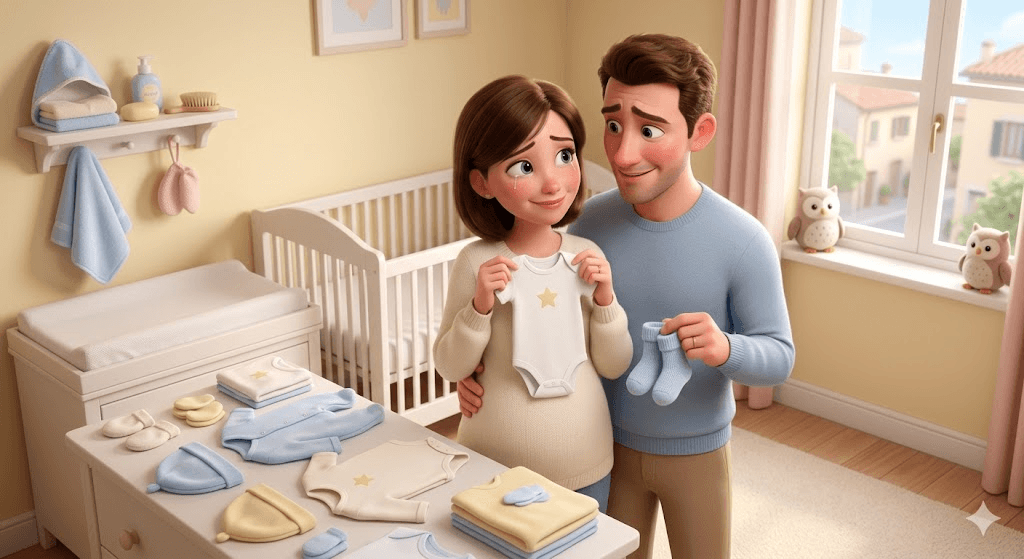
In summer, dressing a newborn is not about using as little clothing as possible. It is about controlling temperature, sun and comfort. Newborns have less margin for temperature regulation than adults and rely on adults for shade, breaks and clothing.
This guide complements baby heat, heat rash and the seasonal wardrobe checklist.
Practical rule
A useful rule is to dress your baby in a similar layer, or one light layer more, than what keeps an adult comfortable in the same environment. In very hot weather, a light bodysuit or thin sleepsuit may be enough.
Check the neck, chest and back, not only hands and feet: cool hands alone do not always mean your baby is cold.
Fabrics and fit
Prefer:
- cotton or breathable fabrics;
- soft clothing that is not tight;
- light colors for outings;
- bodysuits that open easily;
- a light hat only outdoors and in ventilated shade.
Avoid heavy synthetic layers, tight elastics and unnecessary blankets.
Outings and car
Plan outings for cooler hours. Babies under 6 months should be kept out of direct sunlight. In the car, never leave your baby alone, even for a few minutes, and check the cabin temperature before leaving.
For travel and safety, read traveling by car with a baby and the baby travel checklist.
Summer sleep
For sleep, avoid hats, heavy blankets and extra layers. Keep the sleep space clear and choose light clothing based on the room temperature. The rules remain those of safe sleep.
When to stop
Move your baby to a cool place and contact pediatric care or local health services if you notice lethargy, difficulty waking, abnormal breathing, fever, very hot skin, fewer feeds or fewer wet diapers.
Key takeaway
Summer means light layers, shade and frequent checks. It is better to remove one layer and stop somewhere cool than to wait for stronger signs of distress.
Useful links
Sources and further reading
- Tips for Dressing Your Baby - HealthyChildren.org - American Academy of Pediatrics
- How to dress a newborn - NHS
- Keeping your baby safe in the sun - NHS
- Infants and Children and Heat - Centers for Disease Control and Prevention
- Child growth standards - World Health Organization
Sources are used to support general informational content and do not replace advice from a pediatrician or healthcare professional.