Screens and young children: practical rules for the first years
Guide to managing screens with babies and toddlers: timing, content, video calls, routines and alternatives.
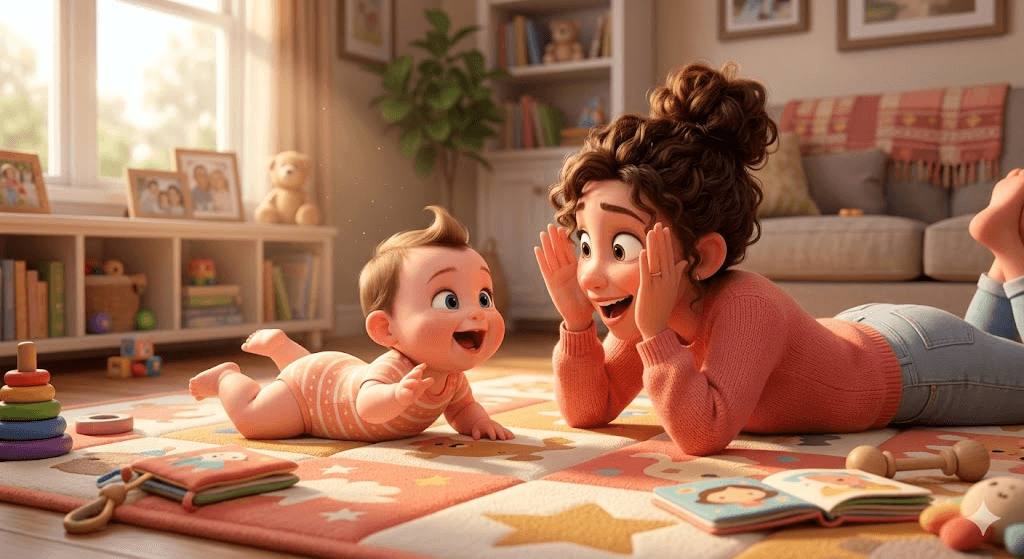
In the first years, children learn mostly through relationships, movement, free play, voice and routines. Screens may be part of family life, but they need intention.
This guide complements shared play, reading and language and child technology checklist.
Under 18-24 months
International pediatric guidance recommends avoiding routine screen use for the youngest children, with the practical exception of video chatting with family. The goal is not guilt; it is protecting sleep, attention, movement and interaction.
If a screen is used:
- an adult stays present;
- content is slow and age-appropriate;
- duration is brief;
- no continuous background screen;
- no screen used systematically instead of contact.
After age 2
After age 2, the quality of the routine matters more than a single number. Keep:
- adult-chosen content;
- co-viewing when possible;
- no endless autoplay;
- movement breaks;
- predictable times;
- consistency between adults.
Avoid fast, scary, advertising-heavy or older-child content.
Moments to protect
Some moments work better without screens:
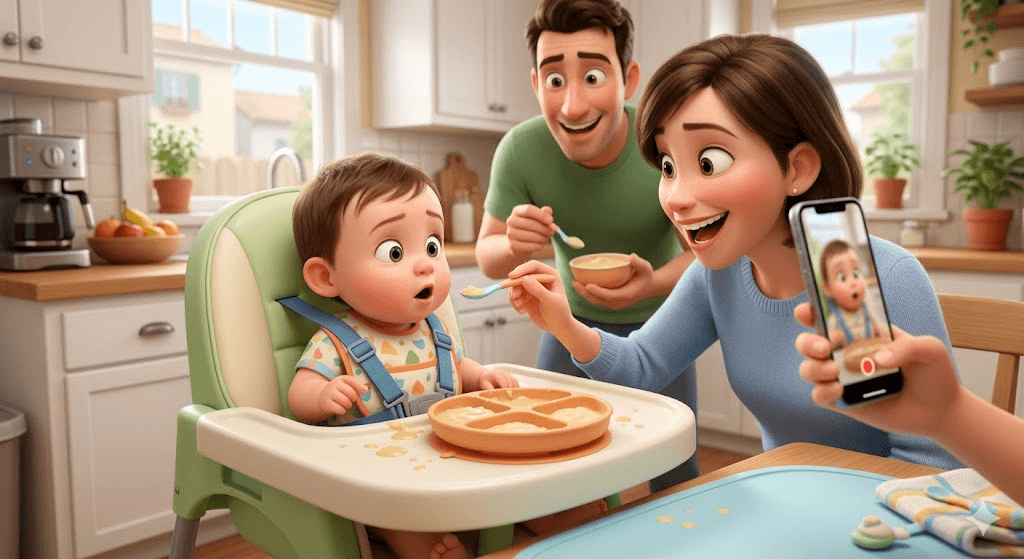
- meals;
- the last part of the evening;
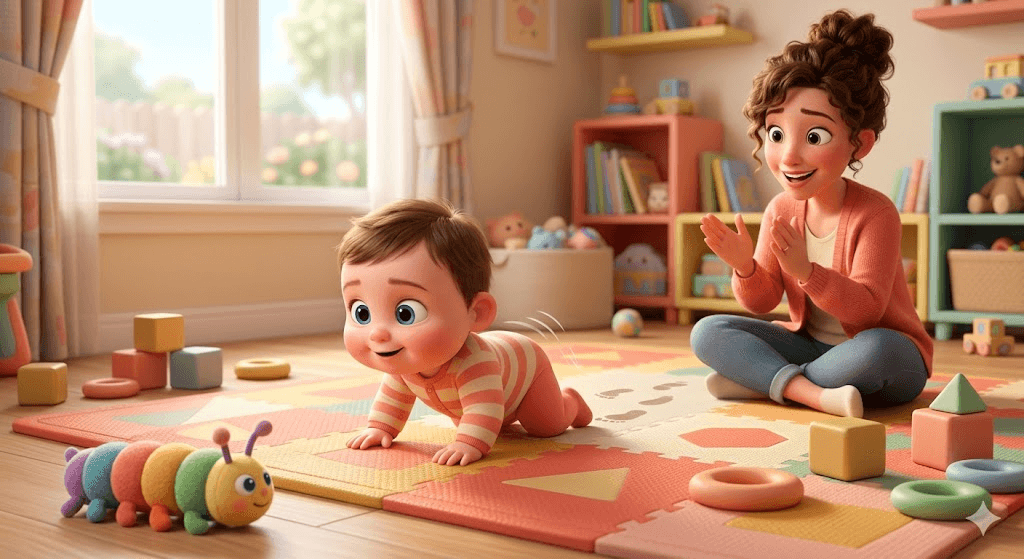
- floor play;
- reading;
- walks;
- interaction with siblings and adults.
Screens before sleep can make settling harder, especially if the content is intense or the light is bright.
Video calls
Video calls are different from passive viewing: there is a real person responding to the child. Keep them short, predictable and interactive:
- call at a calm time;
- allow time for your child to respond;
- use songs, greetings and small rituals;
- stop if your child gets tired.
When screens are truly needed
There are difficult moments: travel, illness, waiting rooms, one parent alone. In those cases, choose the least disruptive option:
- content selected in advance;
- moderate volume;
- defined duration;
- adult still available;
- return to play, movement or rest as soon as possible.
Key takeaway
A screen is neither a magic reward nor a parenting failure. In the first years it works best when it is rare, chosen, shared and kept away from sleep, meals and daily connection.
Useful links
Sources and further reading
- Media and Young Minds - American Academy of Pediatrics
- Guidelines on physical activity, sedentary behaviour and sleep for children under 5 years of age - World Health Organization
- Early childhood development - UNICEF
- CDC's Developmental Milestones - Centers for Disease Control and Prevention
- How babies learn through play - UNICEF Parenting
Sources are used to support general informational content and do not replace advice from a pediatrician or healthcare professional.