Choosing a crib for your baby: safety, fit and checks
How to choose a crib, bassinet or travel crib for a baby: standards, mattress fit, rails, secondhand use, home placement and mistakes to avoid.
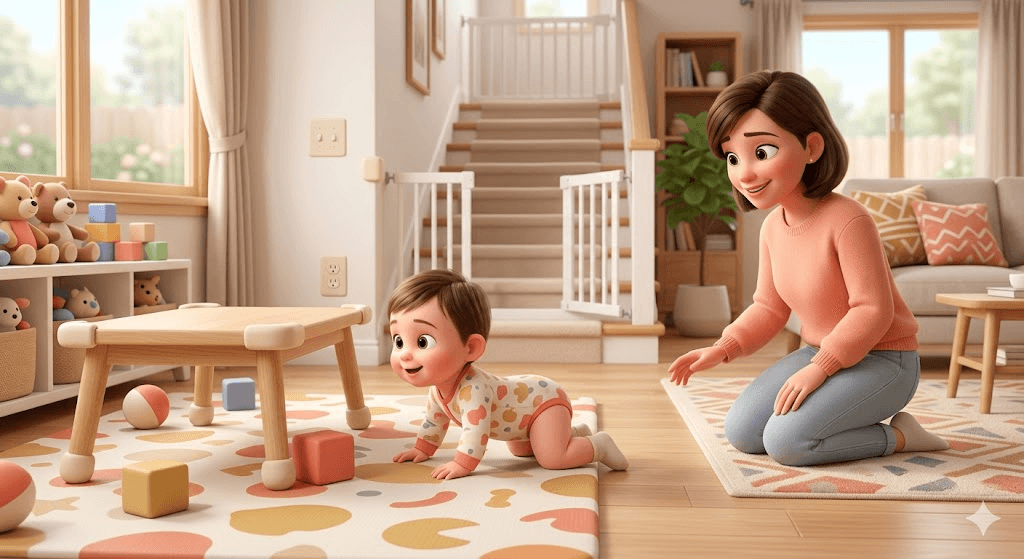
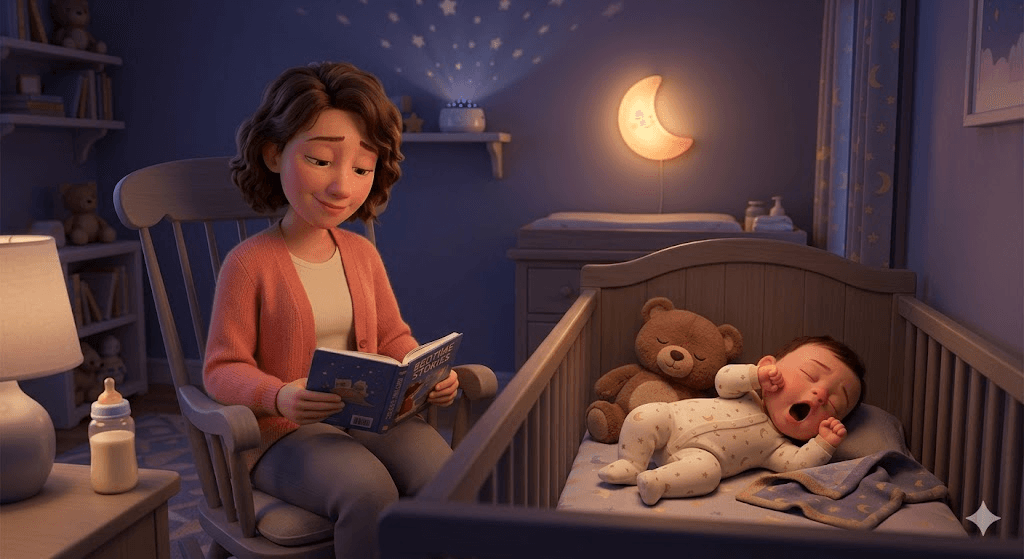
A crib is one of the purchases where appearance and convenience should come after safety. Your baby will sleep for many hours, so the product needs to be stable, clear of soft items and appropriate for their age.
This guide complements safe baby sleep, baby products to avoid and the safe baby purchases checklist.
Non-negotiable requirements
Before looking at color, brand or price, check that the product:
- is sold as an infant sleep surface;
- states the applicable safety standard;
- has a manual, label, model and readable date;
- is stable after assembly;
- has no missing parts, improvised screws or homemade repairs;
- has a firm, well-fitting compatible mattress;
- does not require pillows, soft positioners or added padding.
For slatted cribs, check that openings do not create entrapment hazards. U.S. pediatric sources use about 6 cm as a reference for maximum slat spacing; in any case, follow the standard in the country of sale and the manufacturer's instructions.
Crib, bassinet or travel crib
Not all sleep products cover the same stage.
- Bassinet or cradle: useful in the first months, but they have weight, height and developmental limits. Stop using them when your baby exceeds the limit or begins pushing, rolling or moving beyond the intended use.
- Crib: lasts longer, but must be assembled correctly and used with a compatible mattress.
- Travel crib or play yard: practical if approved for sleep and used with the original mattress.
- Hybrid products: assess each mode separately. One mode may be appropriate for awake use or play but not for sleep.
If a product looks "almost" like a crib but is not intended for sleep, do not use it for sleep.
Mattress and bedding
The mattress should be the one intended or compatible with the crib, firm, flat and without obvious side gaps. Do not add toppers, reflux wedges, padded covers, inclines or soft positioners.
In the crib, use only:
- a suitable mattress;
- a tight fitted sheet;
- clothing or a sleep sack appropriate for the temperature.
Pillows, crib bumpers, quilts, stuffed toys and loose blankets are not needed. If you worry about temperature, work on home temperature with a newborn, clothing and room environment, not soft items in the crib.
Where to place it
Placement matters as much as the product. Put the crib:
- away from curtains, cords, electrical wires and monitor cables;
- away from windows, radiators, heaters and direct sun;
- on a stable surface;
- where you can reach it without tripping;
- with enough space to check the baby and make the bed.
If the crib is in the parents' room, make nighttime paths simple: low light, no floor cables and essentials within reach.
Secondhand: when to avoid it
Avoid secondhand cribs if:
- they have no manual or identifiable model;
- they were modified;
- original screws or parts are missing;
- drop sides, broken parts or warped wood are present;
- you cannot check recalls and manufacture date;
- the mattress is not the correct one.
A basic new compliant crib is often safer than an uncertain high-end secondhand product.
Common mistakes
The most common mistakes are adding accessories to "improve" the crib, using a bassinet past its limit, ignoring recalls, assembling without instructions or leaving cords and curtains near the sleep space.
Also read stopping swaddling for sleep if your baby starts rolling, and room sharing for bedroom setup.
Key takeaway
A good crib is stable, simple and documented. If you need to add a lot to make it comfortable or safe, it is probably not the right product.
Useful links
Sources and further reading
- Choosing a Crib - HealthyChildren.org - American Academy of Pediatrics
- Full-Size Baby Cribs - U.S. Consumer Product Safety Commission
- Bassinets and Cradles - U.S. Consumer Product Safety Commission
- Safe Sleep - Cribs and Infant Products - U.S. Consumer Product Safety Commission
- How to Keep Your Sleeping Baby Safe - HealthyChildren.org - American Academy of Pediatrics
Sources are used to support general informational content and do not replace advice from a pediatrician or healthcare professional.