Baby cold: how to tell if a newborn is cold and what to do
How to protect a newborn from cold: reliable signs, layers, environment, bath, night, car and when to call the pediatrician.
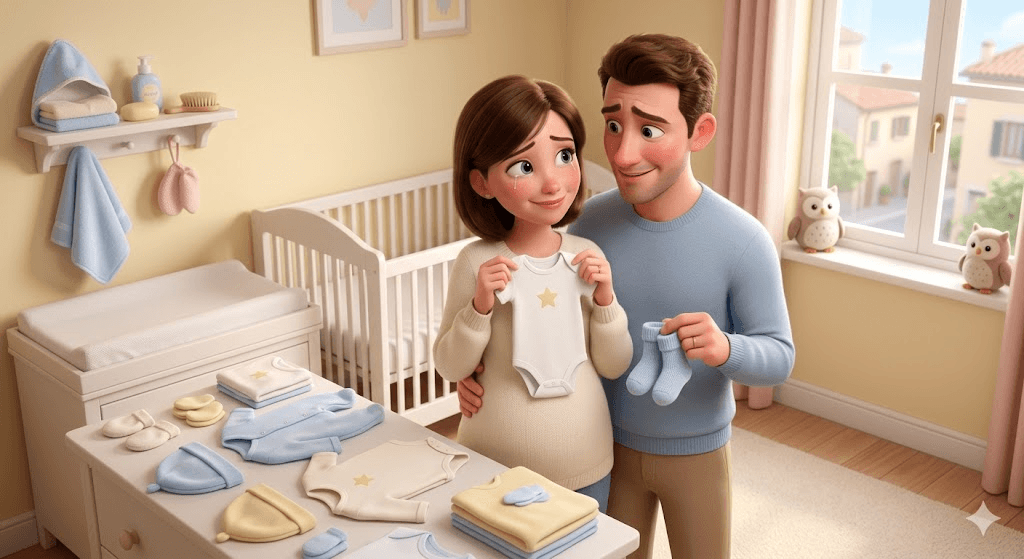
Newborns lose heat more easily than adults, especially if they are small, premature or wet after a bath or spit-up. At the same time, too much clothing can cause overheating.
This guide complements dressing a newborn in winter, safe sleep and the baby bath checklist.
Are cold hands enough?
Hands and feet can feel cool even when your baby is fine. Check instead:
- chest;
- back;
- neck;
- skin color;
- responsiveness;
- feed quality.
If the chest is warm and your baby is alert, cool hands alone are not necessarily a problem.
What to do
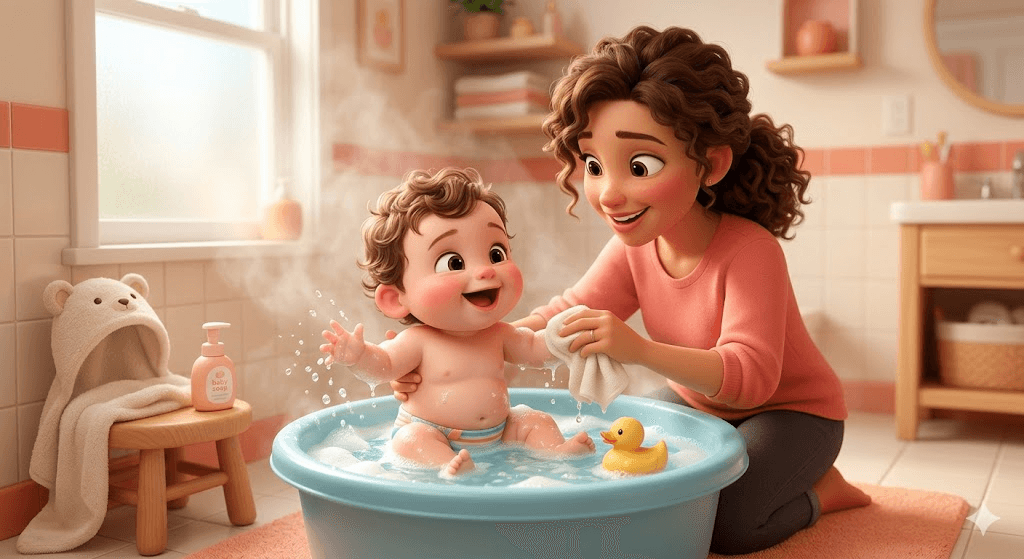
Add one light layer and check again after a short time. If your baby is wet, change them promptly. After a bath, dry the head, folds and body well before dressing.
For outings, use adjustable layers and protect head and feet. In the car, avoid very bulky clothing under the harness.
When to worry
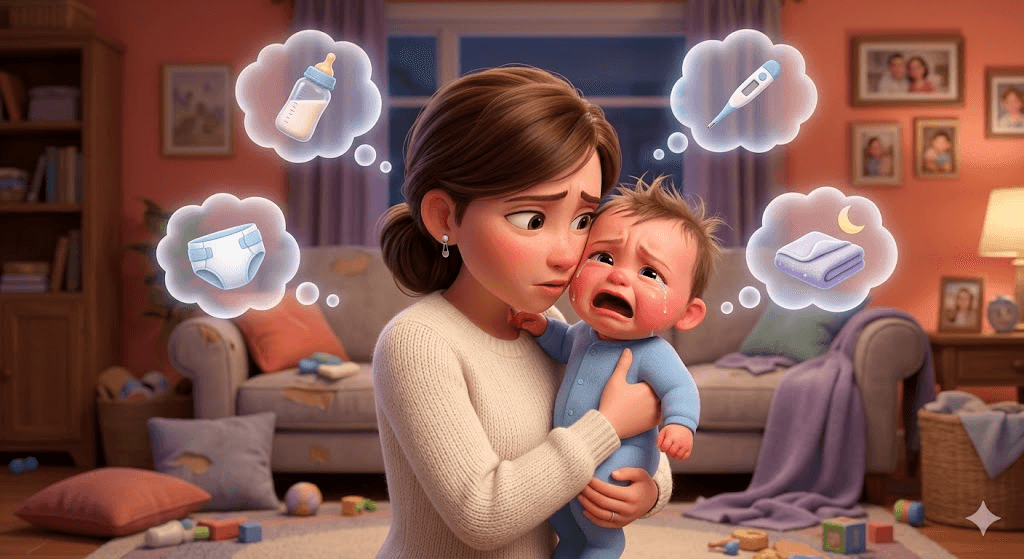
Ask for help if your baby's chest is cold, skin is very pale or mottled, they are less responsive, breathe poorly, feed poorly, have fever or seem different from usual.
For premature babies or babies with growth concerns, follow your pediatrician's guidance on temperature and clothing.
Key takeaway
For cold, the body matters more than the extremities. Light layers, quick changes when wet, a stable environment and safe sleep are the base.
Useful links
Sources and further reading
- Thermal protection of the newborn: a practical guide - World Health Organization
- Tips for Dressing Your Baby - HealthyChildren.org - American Academy of Pediatrics
- How to dress a newborn - NHS
- How to Keep Your Sleeping Baby Safe - HealthyChildren.org - American Academy of Pediatrics
- Child growth standards - World Health Organization
Sources are used to support general informational content and do not replace advice from a pediatrician or healthcare professional.