Newborn always wants to be held: can you spoil a baby?
Guide to holding, contact and newborn needs: what is normal, when it becomes hard for parents and gradual alternatives.

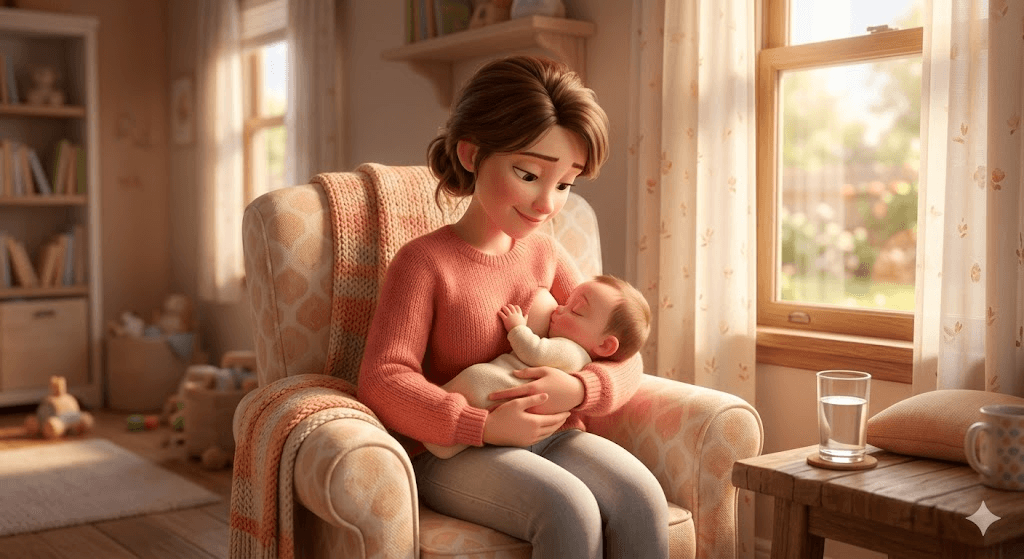
A newborn does not cry to manipulate. In the first months, an adult's arms, voice, smell and movement help regulation: they help the baby feel safe.
This guide complements skin-to-skin contact, baby crying and soothing baby checklist.
Can you spoil a newborn?
Responding to crying and holding a newborn does not create a "bad habit" in the adult sense. In the first months, babies do not yet have mature tools to calm themselves.
Consistent response builds trust. This does not mean parents should have no breaks or ignore their own limits.
Why your baby wants contact
Common reasons include:
- hunger or sucking need;
- warmth and containment;
- tiredness;
- gas or discomfort;
- too much stimulation;
- need for contact after separation;
- growth phase or a hard day.
Before deciding they "just want arms", check physical needs and signs of illness.
Making contact sustainable
Protect the parent too:
- alternate adults when possible;
- use a safe wrap or carrier if appropriate;
- sit with your back supported;
- keep water, snack and phone outside the crib;
- take breaks with baby on the back in a safe space;
- ask for help before reaching your limit.
If you feel rage, panic or an urge to shake, place your baby in the crib and step away briefly in safety.
Gradual alternatives
You do not need to jump from "always held" to "only in the crib". Try small steps:
- hand on the chest;
- nearby voice;
- floor mat with an adult beside them;
- brief awake time on your chest;
- predictable routine;
- a familiar smell or object only when safe and not in newborn sleep.
Key takeaway
Contact is not a parenting flaw. In the first months it is biological and relational. The goal is making it safe and sustainable for everyone.
Useful links
Sources and further reading
- Why do babies cry? - UNICEF Parenting
- Self-Soothing: Helping Your Baby Learn This Life Skill - HealthyChildren.org - American Academy of Pediatrics
- Soothing a crying baby - NHS
- CDC's Developmental Milestones - Centers for Disease Control and Prevention
- Early childhood development - UNICEF
Sources are used to support general informational content and do not replace advice from a pediatrician or healthcare professional.