Premature baby follow-up
Which checks may be needed after discharge for a premature baby: pediatrician, neonatal follow-up, vision, hearing, growth and development.
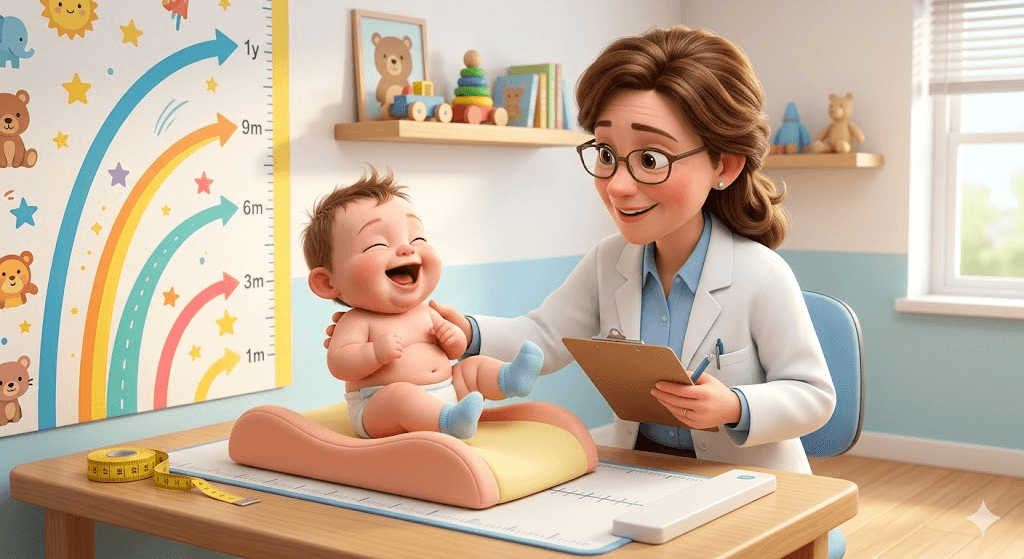
Follow-up after discharge protects growth, feeding, breathing and development. Even when your baby seems well, premature baby follow-up should not be skipped.
First check after coming home
The first appointment after coming home is often soon after discharge. Before leaving hospital, confirm:
- date, place and professional;
- what to bring;
- whether the baby needs weighing beforehand;
- which numbers to call if something changes.
Always bring the discharge letter and current treatment plan.
Possible checks
Depending on your baby's history, follow-up may include:
- primary pediatrician;
- neonatal follow-up clinic;
- weight and feeding checks;
- eye assessment;
- hearing screen or follow-up;
- physiotherapy or developmental therapy;
- heart, lung, neurology or other specialist visits;
- vaccines and prophylaxis according to local schedules and instructions.
Not every baby needs every check. Ask the team which appointments are essential for your child.
Preparing for visits
Before each appointment, write down:
- feeds and amounts, if requested;
- wet diapers and stools;
- apnea, unusual color, cough or vomiting episodes;
- sleep, crying and responsiveness;
- medicines actually taken;
- practical questions.
Notes help you avoid losing details when you are tired or stressed.
Development
For developmental milestones, the team may use corrected age. This avoids unfair comparisons, but it does not mean ignoring signs.
Report if your baby:
- loses skills;
- seems very stiff or very floppy;
- does not make eye contact;
- does not react to sounds;
- feeds with great difficulty;
- has movements that seem unusual.
When to call before the appointment
Do not wait for the scheduled visit if you notice:
- labored breathing, pauses or bluish color;
- fever or low temperature;
- refused feeds;
- far fewer wet diapers;
- green vomit or blood;
- marked sleepiness or difficulty waking;
- rapid worsening.
Useful links
Sources and further reading
- Post-discharge Care of the NICU Graduate - American Academy of Pediatrics
- Special care: ill or premature babies - NHS
- AAP Schedule of Well-Child Care Visits - HealthyChildren.org - American Academy of Pediatrics
- Child growth standards - World Health Organization
- Fever and Your Baby - HealthyChildren.org - American Academy of Pediatrics
Sources are used to support general informational content and do not replace advice from a pediatrician or healthcare professional.