Insect bites in babies: prevention and when to worry
How to protect babies from mosquitoes, insects and ticks: clothing, nets, repellents, what to avoid and signs that need medical advice.
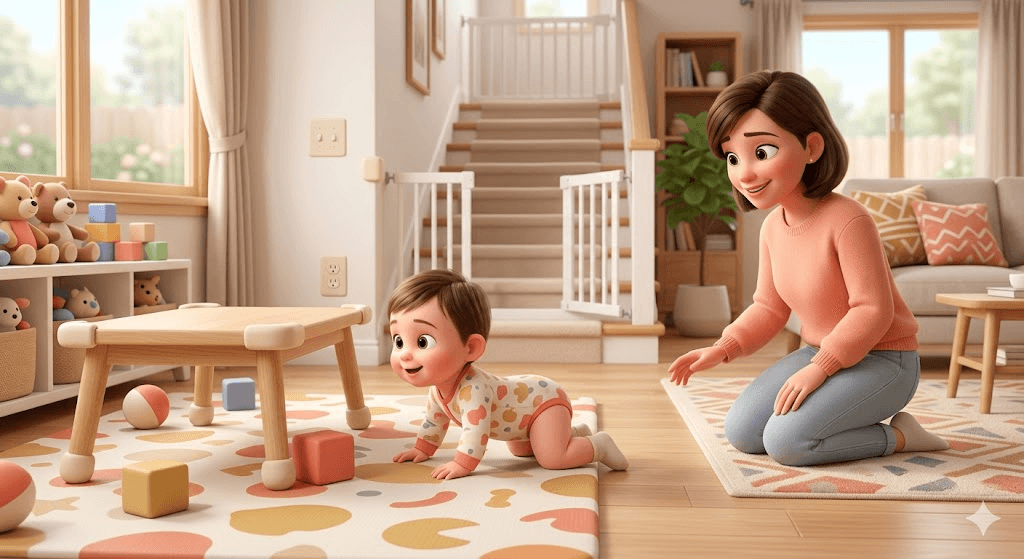
Insect bites are often more irritating than dangerous, but in babies they should be prevented carefully and watched well. The goal is to reduce bites without using products incorrectly.
This guide complements baby sun safety, outdoor safety, baby medication safety and poison center.
First barrier: environment and clothing
Before products, use physical measures:
- mosquito net over stroller or crib when appropriate;
- light but covering clothes;
- socks if ankles and feet are exposed;
- standing water removed from saucers and buckets;
- intact window screens;
- walks away from heavily infested areas when possible.
Do not apply essential oils or home remedies to a baby's skin.
Repellents
For young babies, ask your pediatrician before using repellents. If a product is appropriate for your child's age:
- read the label;
- apply only the amount needed;
- avoid hands, eyes, mouth and irritated skin;
- do not spray directly on the face;
- apply in a ventilated area;
- wash it off when no longer needed.
Keep repellents out of children's reach and do not use sunscreen + repellent combination products unless specifically advised.
After a bite
If a bite appears:
- gently wash the area;
- avoid scratching or rubbing;
- keep nails short;
- watch size, color and local warmth;
- do not apply medicines, numbing creams or steroids without advice.
A small red area can appear, but it should improve rather than worsen.
Ticks
After grass, woods or animal contact, check skin folds, scalp, behind ears, armpits, groin and behind knees. If you find a tick, ask for health guidance on removal and monitoring, especially in babies.
When to call
Seek urgent care for breathing difficulty, swelling of lips or face, widespread hives, unusual sleepiness, repeated vomiting or rapid worsening.
Contact the pediatrician if the area becomes very swollen, hot, painful, has pus, fever, red streaking or if your child is very young and you are unsure what to apply. If your child swallows or sprays repellent on themselves, call poison control or your local emergency number.
Key takeaway
For a baby, the best prevention is physical: nets, clothing and a controlled environment. Repellents should be age-appropriate and used sparingly.
Useful links
Sources and further reading
- How to Choose an Insect Repellent for Your Child - HealthyChildren.org - American Academy of Pediatrics
- First Steps in a Poisoning Emergency - Poison Help - Health Resources and Services Administration
- When Your Child Needs Emergency Medical Services - HealthyChildren.org - American Academy of Pediatrics
- How to prevent choking, suffocation and strangulation - UNICEF Parenting
- How to Keep Your Sleeping Baby Safe - HealthyChildren.org - American Academy of Pediatrics
Sources are used to support general informational content and do not replace advice from a pediatrician or healthcare professional.